



Key Takeaways
- Wandering is a common dementia behavior driven by disorientation, anxiety, or unmet needs.
- It often signals something your loved one is searching for, not a problem with who they are.
- Wandering carries real safety risks, especially at night or outdoors.
- Memory care communities offer secure, calming spaces designed to support freedom of movement safely.
- Personalized routines and attentive staff can address the root causes behind wandering behaviors.
What Families Need to Know About Dementia and Wandering
Your loved one has started pacing the hallways and waking up in the middle of the night to walk around. Sometimes you can’t tell if they’re trying to go somewhere or if it’s just them wandering. You want them to be safe, but you also don’t want to take away their sense of freedom.
Our team at Minnehaha Senior Living understands how deeply that worry weighs on families. And the memory care program here is our answer to that concern.
Wandering is one of the most common behaviors in people living with dementia. And there’s almost always a reason behind it. When you understand what’s driving it, it becomes a little easier to respond with compassion.
What Wandering in Dementia Actually Looks Like
Wandering doesn’t always mean someone walks out the front door. It can look like any of the following.
- Pacing back and forth through the same rooms
- Trying to leave at a certain time of day
- Becoming confused about where they are in a familiar space.
Some people seem calm while they wander. Others show signs of distress or urgency.
What matters is that for those living with dementia, wandering is an intuitive behavior, not a choice. Something is happening in their mind that’s prompting them to move.
Why People with Dementia Wander
Common Triggers to Know
Many wandering episodes are tied to unmet needs. Your loved one might be hungry, uncomfortable, bored, or feeling anxious. When they can’t verbalize those needs, movement becomes their response to discomfort.
And sometimes the trigger is rooted in memory. They might be trying to get to a job they held for decades. Or maybe they’re looking for a child who’s now grown. They have routines that they’re deeply familiar with. And when they’re wandering, they’re returning to what they’ve known for all their life.
What the Brain Has to Do with It
Dementia doesn’t affect all parts of the brain equally. Specifically, it affects the parts of the brain that help a person understand time, place, and recent events. That’s why your loved one might feel certain about leaving, even though they moved a decade ago. Their sense of place and time has shifted, and wandering follows to meet that perception.
When caregivers approach it that way, they can respond with warmth instead of alarm. That makes a real difference in how your loved one feels day to day.
Safety Risks That Come with Wandering
Movements can go unnoticed, and that’s where the danger lies. A loved one who gets outside unsupervised can lose their way in a neighborhood they’ve known for years. Falls, weather exposure, and disorientation all become real risks within minutes.
Nighttime wandering adds another layer of concern. Darkness and fatigue make falls more likely, and many families lose sleep over the possibility of such. Over time, that constant vigilance takes a serious toll on the caregivers’ health. And that, in turn, compromises care.
How Memory Care Supports Wandering Behaviors
Safe, Intentional Spaces
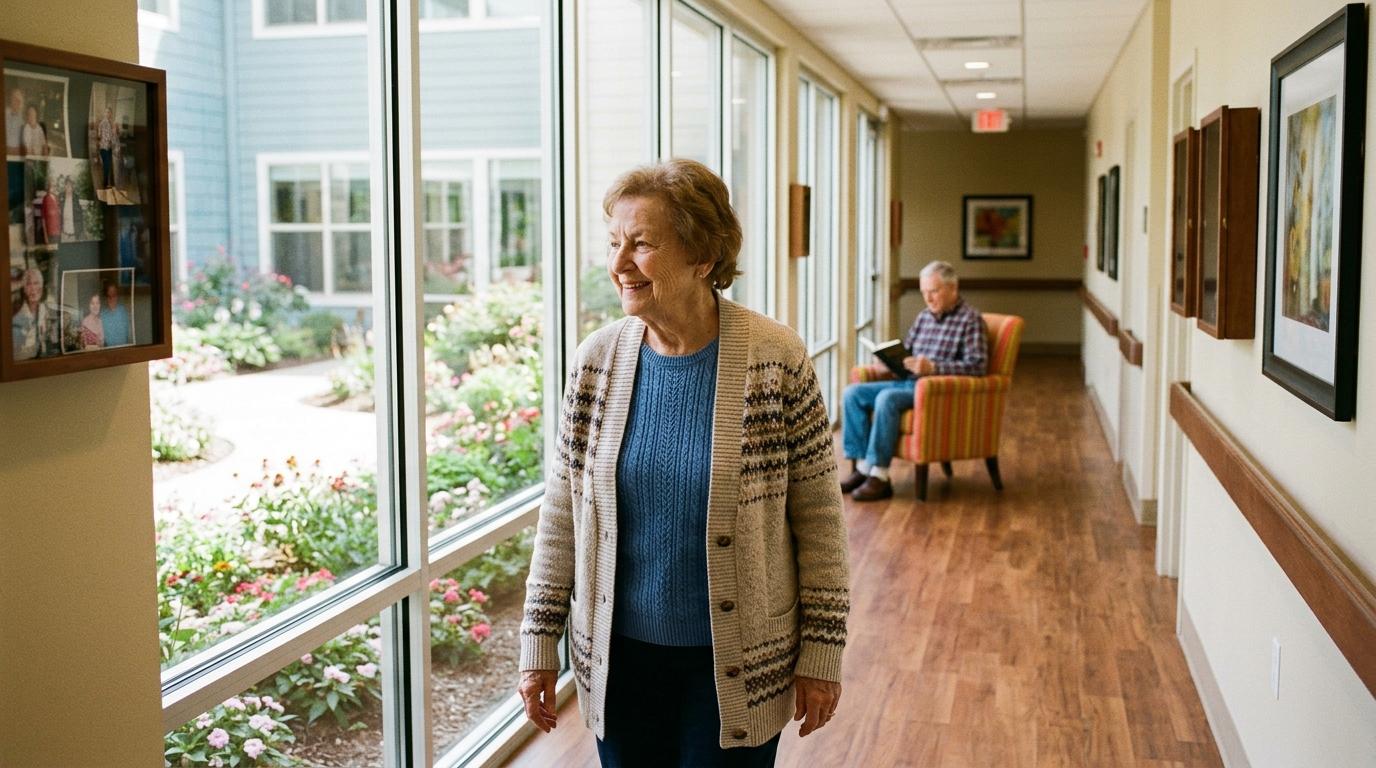
Memory care communities are thoughtfully designed so residents can move freely without the risks that come with unsupervised wandering. Layouts can vary but often include a few things.
- Secure walking paths
- Familiar textures
- Soft lighting
- Calming visual cues to help reduce anxiety
The goal is to make a space that feels open but safe. You can get a closer look at the floorplans and community spaces to see how care shows up in the design.
Personalized, Attentive Care
Trained memory care staff read behavioral cues with knowledge and compassion. They know they’re not just responding to wandering when it happens. They’re looking at a pattern.
Our team pays careful attention to the times of day and the emotional triggers when wandering occurs. This is what allows us to make informed responses that strike a balance between safety and comfort.
Individual care plans can also address the root causes behind the behavior. Structured daily routines give residents a sense of rhythm and predictability. That stability can reduce anxiety and promote a sense of belonging.
Take a look at the services and programs that support residents in meaningful, consistent ways every day.
What to Look for in a Memory Care Community
When you’re exploring memory care options, look for staff who knows each resident by heart. Also look for purposeful programs tied to familiar interests, music, art, and simple daily tasks. They can bring moments of joy and recognition that nothing else can replace.
Safety should never be neglected, of course. Try to look for a secure setting that still feels like home. The warm touches and genuine care can calm the mind and help your loved one settle quickly.
At Minnehaha Senior Living, the memory care approach is built around understanding. Your loved one deserves a place where they’re seen, known, and supported. Reach out today to schedule a tour and see for yourself what memory care can do for your loved one.