
Key Takeaways
- Social connection supports mental, emotional, and physical well-being in senior living.
- Independent living, assisted living, and memory care each offer meaningful, tailored programming.
- Active social lives can support stronger cognitive function and a greater sense of purpose.
- Knowing what to look for during a community tour helps families make informed decisions.
- Small, familiar steps can help a loved one feel comfortable joining group activities.
The Real Power of Connection in Senior Living
There’s a moment many people recognize, whether for themselves or a loved one, when days start to feel a little quieter than they used to. Fewer phone calls, fewer plans, fewer reasons to get up and go. That kind of quiet can creep in slowly, and it’s more common in senior living transitions than most people expect.
Social activities in senior living communities do far more than fill a calendar. They give each day shape, spark, and a reason to look forward to what comes next. From fitness classes to creative arts groups to seasonal outings around Minneapolis, the right community keeps life feeling full and connected. Take a look at upcoming events and activities to get a sense of what an engaged daily life can really look like.
Types of Social Activities That Keep You Engaged
Group Activities for Independent Living
When you’re living independently, the social side of community life is one of the biggest perks. You get to choose what fits your personality and your pace. Fitness classes, hobby clubs, and game nights give you ways to stay active and meet people who share your interests.
Creative arts, music groups, and shared interest clubs add another layer of richness to daily life. And living in Minneapolis means seasonal events and community outings bring in the energy of the city itself. Think local festivals, neighborhood walks, and all the things that make this place feel like home. Explore independent living options to see how community and connection fit into everyday life here.
Structured Programs in Assisted Living and Memory Care
For loved ones in assisted living or memory care, social programming looks a little different, and that’s a good thing. Activities are thoughtfully tailored to each person’s comfort level and abilities, so participation always feels encouraging rather than overwhelming. Gentle group settings help residents feel safe and seen.
Familiar routines play a big role here. Consistent daily rhythms can bring real comfort to someone navigating memory changes, and structured activities support that sense of stability. Families are welcomed into that rhythm, too. Programming in these settings is designed to include loved ones, not just residents, which makes visits feel more meaningful for everyone. Learn more about memory care programming and how it supports each resident’s unique needs.
How Social Activities Support Overall Health
Staying socially active isn’t just good for the spirit. It supports the whole person. Regular interaction and mental engagement are linked to stronger cognitive function over time. When the mind stays stimulated through conversation, games, and group activities, it stays sharper. Research on cognitive health in older adults reinforces just how meaningful staying engaged can be for long-term brain wellness.
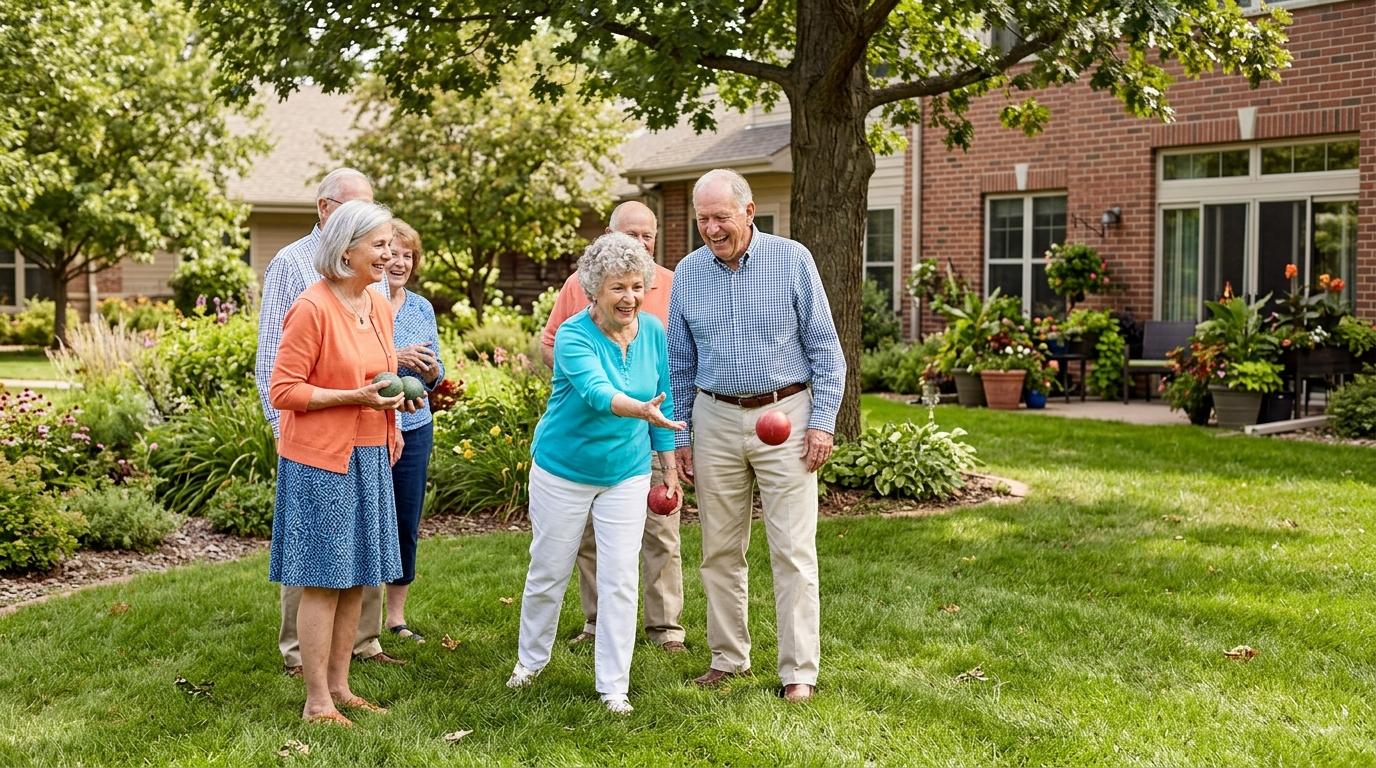
Movement-based activities, like light fitness classes or group walks, support physical wellness in ways that feel enjoyable rather than clinical. And beyond the physical, spiritual and emotional programs nurture something equally important: a sense of purpose.
What to Look for in a Senior Living Community’s Social Life
Signs of a Thriving Social Environment
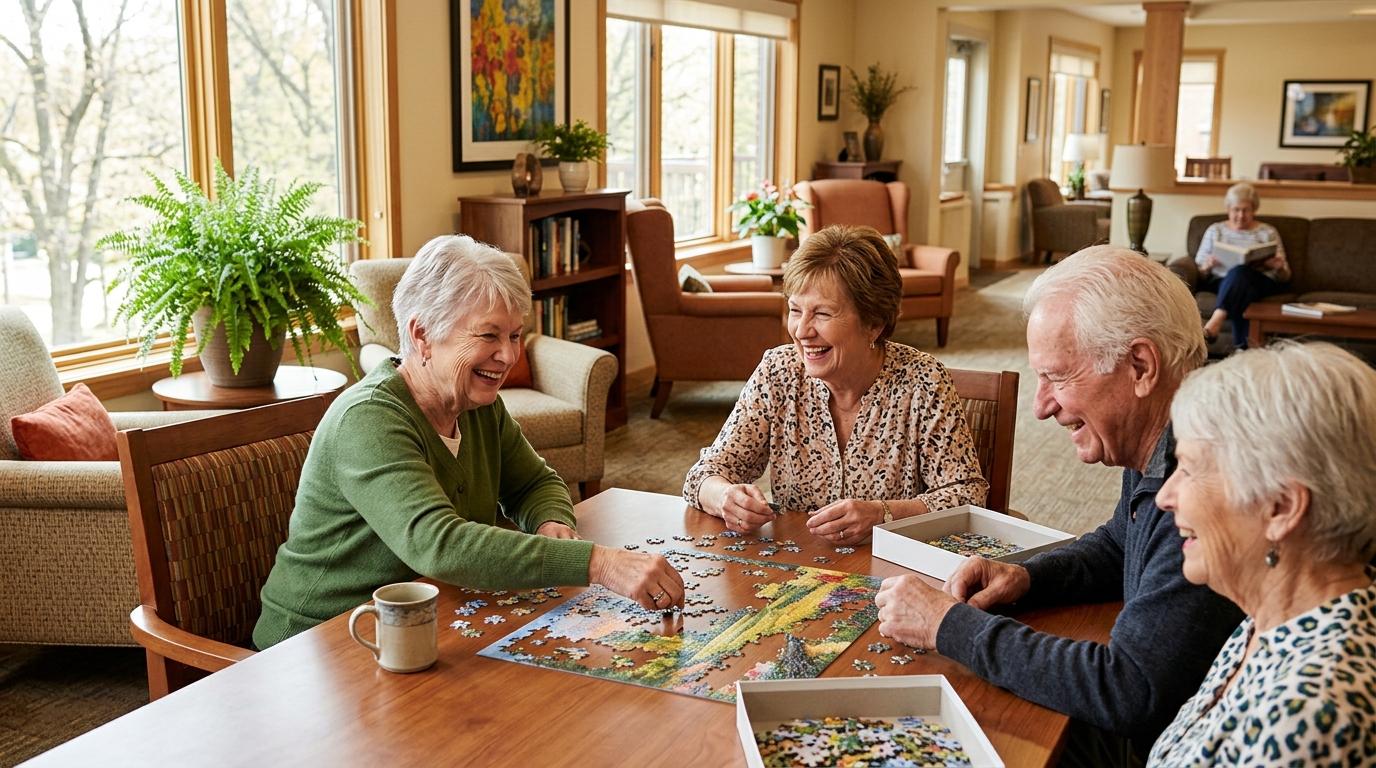
Not all activity calendars are created equal. A thriving social environment offers variety across different interests and ability levels, so no one feels left out or bored. Look for communities with warm, inviting communal spaces where residents actually want to spend time together, not just pass through.
Pay attention to the energy in shared spaces during a visit. Are residents talking? Laughing? Do staff members seem genuinely engaged? Those small details say a lot about the day-to-day culture of a community. Browse floorplans and community spaces to get a feel for the environment before your first visit.
Questions Worth Asking During a Tour
When touring a senior living community, it helps to go in with specific questions. Here are a few worth asking:
- How often are activities offered each week?
- Are programs personalized to each resident’s interests and preferences?
- How does staff support residents who tend to be more reserved or hesitant to join in?
The answers to these questions reveal how much a community truly invests in its residents’ social lives, not just as a checkbox, but as a genuine priority.
How to Help a Loved One Stay Socially Active
If your loved one is hesitant about joining group activities, that’s completely normal. The transition into a new community takes time, and social comfort doesn’t always happen overnight. Starting small with low-pressure settings, like a casual coffee hour or a small group activity, can ease that adjustment. Practical tips for staying connected can help families support their loved ones through that process.
Connecting them to activities tied to lifelong hobbies or interests makes participation feel natural rather than forced. Someone who has always loved music might light up in a group sing-along. Someone who enjoys crafts might find their people in an art club. Familiar passions are a great entry point.
Staying involved as a family member also makes a real difference. Regular visits, joining activities together when possible, and showing genuine interest in their social world all help reinforce their sense of belonging and connection.
Find Your People at Minnehaha Senior Living
At Minnehaha Senior Living, social connection is woven into everyday life, whether that means a morning fitness class, a spiritual support group, or a lively evening with neighbors. Independent living, assisted living, and memory care residents all have access to programming designed to help them feel engaged, supported, and at home. Reach out today to schedule a tour and see the community in action.