


Key Takeaways
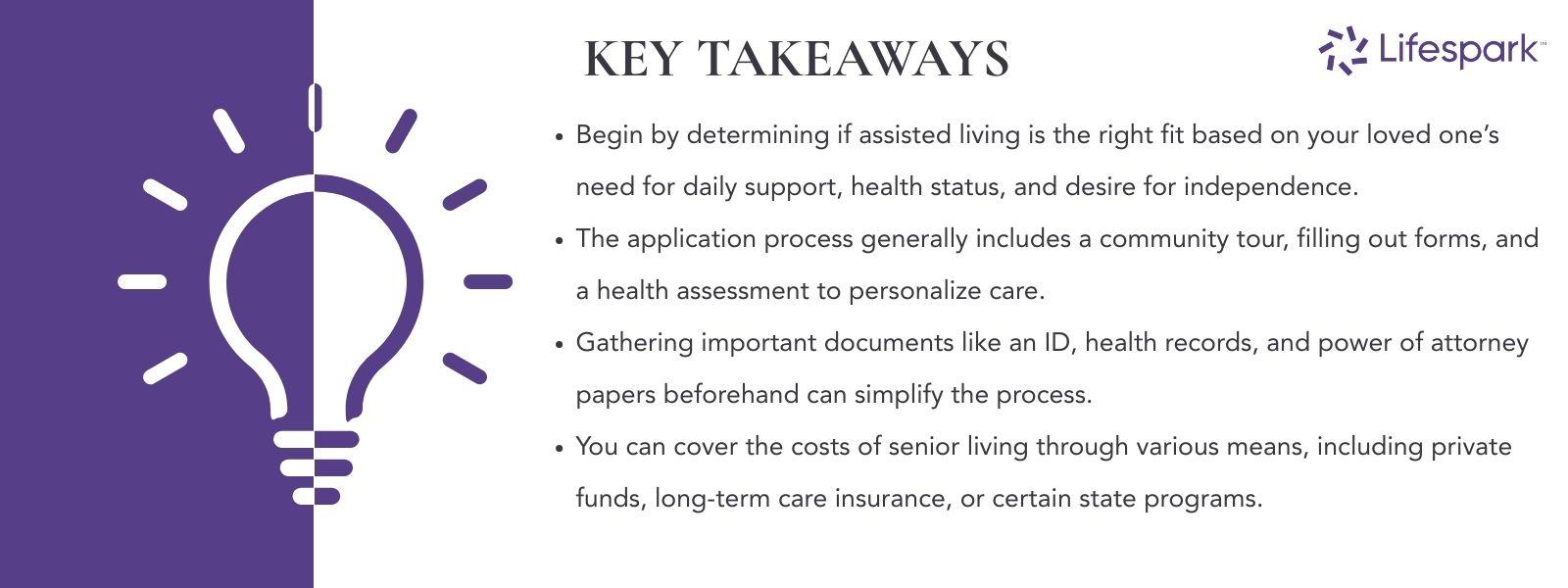
- Begin by determining if assisted living is the right fit based on your loved one’s need for daily support, health status, and desire for independence.
- The application process generally includes a community tour, filling out forms, and a health assessment to personalize care.
- Gathering important documents like an ID, health records, and power of attorney papers beforehand can simplify the process.
- You can cover the costs of senior living through various means, including private funds, long-term care insurance, or certain state programs.
Understand the Path to Assisted Living
Thinking about a transition to senior living can bring up many questions. You want to find a place that feels right, offers the right amount of support, and provides a vibrant community. The application process, like the one at Minnehaha Senior Living, may seem complex, but it’s a journey you don’t have to navigate alone.
The process of applying for assisted living involves confirming it’s the appropriate level of support, navigating the application, and gathering the right documents. It’s a thoughtful series of steps designed to find a wonderful new home with various senior lifestyle options where your loved one can thrive with purpose and joy.
Determine If Assisted Living Is the Right Choice
Assistance with Daily Tasks
Consider if your family member could use a little help with daily activities. These are often referred to as Activities of Daily Living (ADLs) and can include support with bathing, dressing, and personal grooming. It might also involve Instrumental Activities of Daily Living (IADLs), such as managing medications or preparing nutritious meals.
Assisted living communities help with these tasks, freeing up your loved one’s time and energy. Instead of worrying about household chores, they can focus on what truly brings them joy, like pursuing hobbies, building friendships, and engaging with their surroundings.
Manageable Health Needs
Assisted living is often a great option for individuals with stable health conditions who do not need 24-hour skilled nursing. It provides peace of mind knowing that compassionate support is always nearby. This support can range from simple medication reminders to coordination with visiting healthcare providers.
This setting allows residents to maintain their independence while having a safety net of care when needed. It’s a balance that fosters a sense of security without feeling restrictive, allowing for a fulfilling and active life.
Mobility and Independence
Many assisted living residents are active and independent. They may move around freely or use a cane or walker for support. The community is designed to be accessible, encouraging residents to participate in events, stroll through the gardens, or join friends for dinner.
Maintaining independence is about more than just physical mobility. It’s also about having the freedom to choose how to spend your day. A supportive community can empower residents to stay socially connected and engaged, which is a key part of healthy living.
Navigate the Application Process
Schedule a Tour and Conversation
Visiting a community in person helps you get a true feel for it. A tour allows you and your loved one to see the living spaces, taste the food, and meet staff members. Pay attention to the atmosphere—do the residents seem happy and engaged? Do the team members greet you with warmth?
This visit is a wonderful opportunity to ask questions about daily life, activities, and care options. Seeing the community in action can help you and your family feel more aligned in your decision-making.
Complete the Application Forms
Once you’ve found a community that feels like home, the next step is to complete the application paperwork. These forms typically ask for basic personal information, a health history, and financial details. Team members are usually available to walk you through the documents and answer any questions that come up.
Undergo a Health Assessment
A health assessment is a friendly and casual conversation that helps the community’s care team understand your loved one’s unique needs. This isn’t a test, but rather a way to create a personalized care plan. The goal is to ensure the right level of support is in place from the very first day, making the transition as smooth as possible.
Gather Your Important Documents
Having your paperwork organized ahead of time can make the application process much smoother. While each community’s requirements may vary slightly, it’s helpful to have these items ready. Preparing them now can prevent delays later.
- Government-issued ID and Social Security card
- Health insurance cards and medical records
- Contact information for primary physicians
- Power of attorney or guardianship papers, if applicable
Explore Ways to Pay for Senior Living
Understanding the financial side of assisted living is a key part of the journey. Many families use a combination of resources to fund this new chapter. It’s helpful to explore all avenues to find a solution that works for your family’s budget.
- Private funds, including savings, pensions, or assets
- Long-term care insurance policies
- Certain state programs and Medicaid options for those who qualify
- Veterans benefits, such as the Aid and Attendance program for eligible individuals
Find Support for Your Next Steps at Minnehaha Senior Living
Making a move to a new home is a significant decision, and it’s one that’s best made with plenty of support. Keep conversations open with your loved one and other family members, and don’t hesitate to ask for help when you need it. Visiting different communities can help you feel good about your choice.
The compassionate team at Minnehaha Senior Living is here to guide you through every part of the process. You are invited to schedule a visit to explore the community and have your questions answered. A simple conversation can help you find clarity and peace of mind as you plan for the future.